Solar panel installation in Teesside
A residential solar PV system in Teesside costs £4,000–£8,000 installed for most homes, generates 3,400–4,000 kWh a year, and saves up to £690 annually on bills. Panels are warranted for 25 years, most homes need no planning permission, and installation typically takes one to two days.
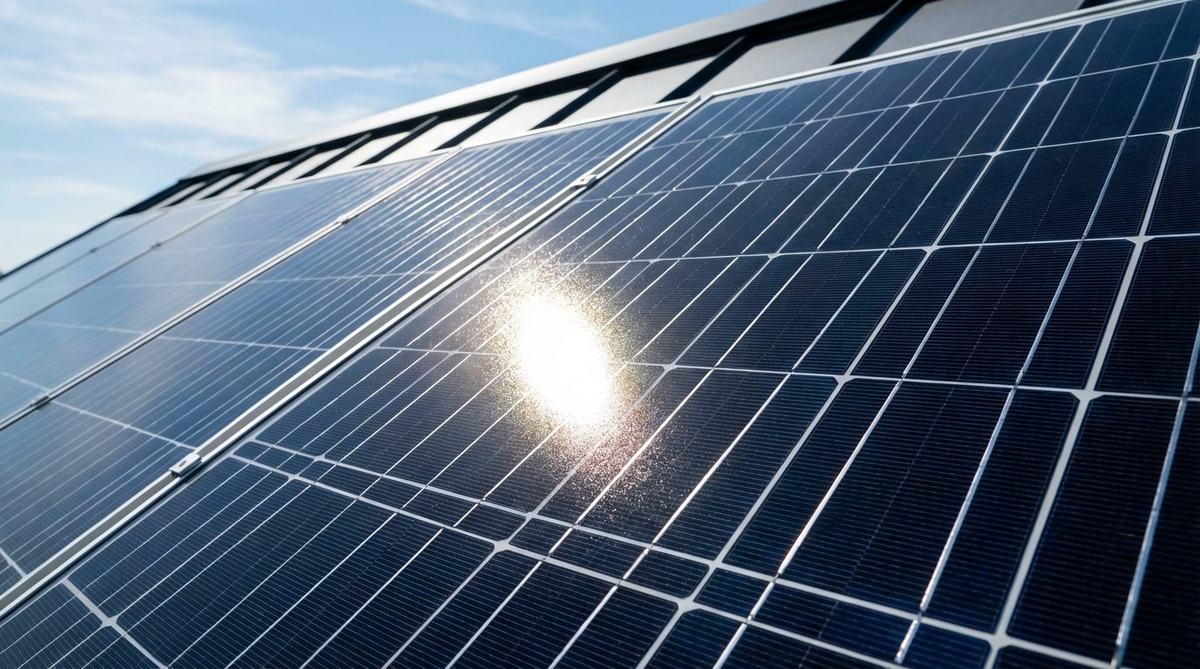
What a proper Teesside solar install includes
A solar PV system is more than panels on a roof. A complete installation covers the array itself (typically 8–16 panels on a Teesside semi), an inverter to convert the DC power to usable AC, mounting rails matched to your roof covering, generation metering, and app-based monitoring so you can watch output in real time. Scaffolding, electrical certification and MCS registration should all be in the quote, if any of them appear later as "extras", that's a warning sign about the installer, not a normal cost.
How much does installation cost?
Across Teesside in 2026: £4,000–£5,500 for a smaller 2–3kWp system (8–10 panels, suits terraces and lower-usage homes), £5,000–£8,000 for the standard 3–4kWp array most semis take, and £8,000–£11,000 for a large 5–6kWp system with battery storage. Those are supplied-and-installed figures including scaffolding. Teesside pricing generally comes in below southern England, but roof access, slate versus tile, and consumer unit upgrades all move the final number.
Panels and warranties that matter
Modern monocrystalline panels deliver more output per square metre than anything available even five years ago, useful on smaller Teesside roofscapes. Look for a 25-year performance warranty on the panels (they'll typically keep generating well beyond it), 10+ years on the inverter, and an insurance-backed workmanship warranty so cover survives even if the installing firm doesn't. Every installer we work with is MCS-certified, without MCS you can't register for SEG export payments, full stop.
What's the installation actually like?
Faster and tidier than most people expect. Scaffolding goes up a day or two ahead, the array itself takes one to two days for a typical Teesside semi, and the electrical commissioning and app setup happen the same week. The disruption is closer to "having the gutters replaced" than "building work". Most homes need no planning permission, see our planning guide for the exceptions.
Getting the right system for your roof
South-facing is ideal, but east–west splits work surprisingly well in the North East, spreading generation across the day. Shading from chimneys and trees, roof pitch between 30–40°, and available area all feed the design, which is why your quote is based on your actual roof, not a national average. Add a battery and you use more of what you generate; skip it and the SEG pays you for the surplus instead.
Areas We Cover